CESOIE ROTANTI, PREMACINATORI,
HAMMER MILLS
SERIES REDLINE
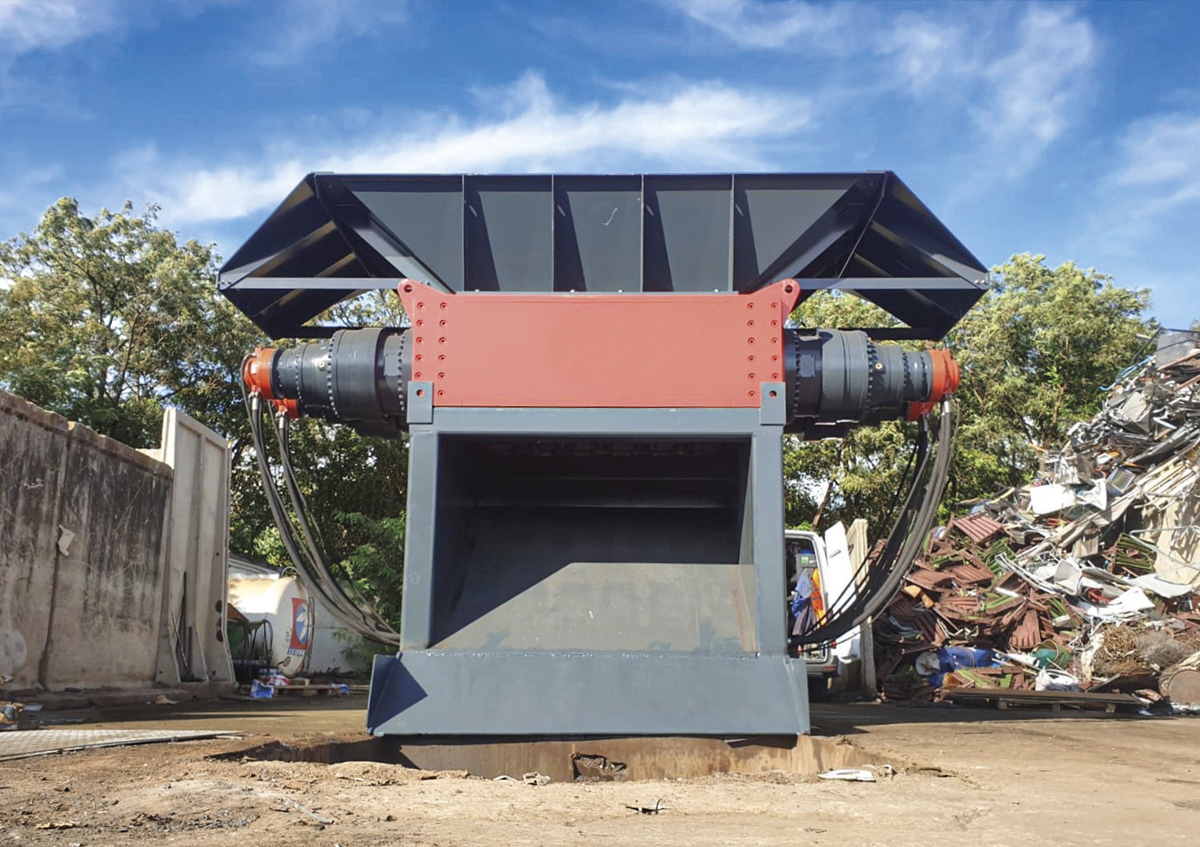
REDLINE is the TAURUS product line dedicated to the recovery of secondary raw materials from post-consumer durable goods. Designed to process increasingly complex materials, it delivers efficient and reliable recycling solutions. REDLINE, combining efficiency, sustainability, and operational continuity. DELTA rotary shears, BRAVO pre-shredders, and REDMILL hammer mills reduce and prepare metals and mixed components for subsequent sorting stages, supporting a recycling chain focused on the circular economy.
ROTARY SHEAR
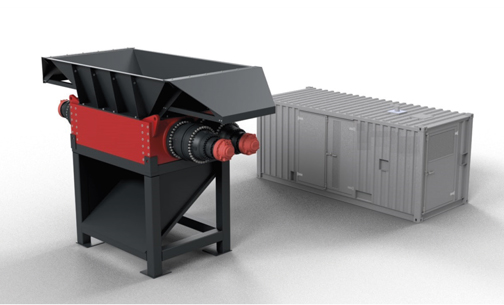
PRE-SHREDDERS
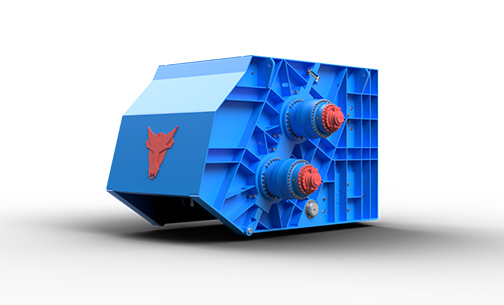
HAMMER MILL
The recovery of secondary raw materials from post‑consumer durable goods — consisting of ferrous and non‑ferrous metals and other materials such as plastics, rubber, glass, fabrics, etc. — is a relatively recent aspect of recycling. It emerged when durable goods began to be discarded in large quantities as they reached the end of their consumption cycle.
“Over time, these complex assemblies of metallic and non‑metallic materials have evolved and become increasingly intricate. It is essential to study — or, more simply, to understand — these heterogeneous combinations, given their importance as secondary raw materials and the need for more effective recovery actions that influence and guide scrap‑processing operations.
The recycling supply chain must align with a forward‑looking economy, where products are conceived with their end‑of‑life in mind and scrap is regarded as a resource (sustainable development ˃ green economy ˃ circular economy).
Recycling, moreover, is an activity that must combine environmental responsibility with economically sustainable solutions.
ROTARY SHEAR
To re-enter the circular green economy, scrap metal must undergo shearing, sorting, and treatment processes that differ from those used in the recent past. DELTA hydraulic twin-shaft rotary shears with counter-rotating blades are specifically designed for this purpose. They are used to minimize handling costs and improve the physical and commercial characteristics of the material, enabling its transformation from waste into secondary raw material (EoW - End of Waste). In addition, they make it possible to recover the non-ferrous metals contained in the processed scrap, ideally separated by type for greater value and efficiency. DELTA rotary shears are also used to shred heavy-duty truck and earthmoving tires, as well as bulky and oversized waste materials, reducing transportation costs and making them easier to handle with loaders for disposal or recovery processes.
HAMMER MILL
Eco‑environmental reasons and the new requirements of steelmaking are penalizing the supply of collected scrap, light scrap and end‑of‑life appliances in their original form, in favor of increasingly clean, homogeneous and contaminant‑free materials. The reasons are clear:
• more stringent environmental regulations,
• decarbonization targets,
• economic penalties for contaminated or non‑sorted materials
In this scenario, the hammer mill becomes the key machine for transforming “difficult” scrap into a high‑quality secondary raw material, fully compliant with the standards required by modern steel mills.
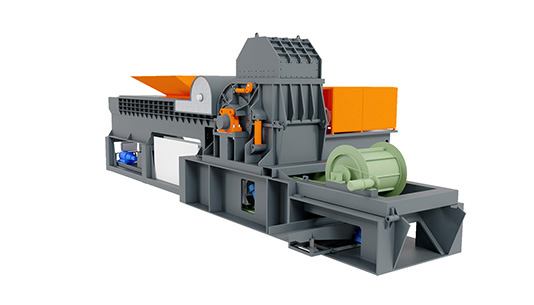
A REDMILL hammer mill is designed to achieve both volume reduction and separation of ferrous and non-ferrous scrap through three main stages: material feeding, impact fragmentation, and subsequent classification and magnetic separation. The final output is clean, compact, and homogeneous scrap, with consistent density and particle size, making it ideal for maximizing electric arc furnace efficiency while optimizing yield, energy consumption, and overall furnace performance.
PRE-SHREDDERS
The scrap pre‑shredder emerged as an industrial technology between the late 1980s and early 1990s, when the recycling sector began to require a preliminary material‑homogenization stage before its fragmentation in hammer mills.
The horizontal, counter‑rotating shaft pre‑shredder is designed to operate upstream of hammer mills, ensuring a constant and homogeneous material feed.
It is particularly useful for the pre‑processing of body‑shell bundles, light or collected scrap, and depolluted end‑of‑life vehicles (ELVs).
The pre‑shredder is an essential technology in metal‑scrap shredding and sorting plants, for both ferrous and non‑ferrous materials, because:
• It eliminates the root cause of explosions inside the grinding chamber.
• It reduces and optimises the energy consumption of the shredding process.
• It prevents absorption peaks by allowing the mill to “digest” pre‑shredded, uniformly sized material.
• It significantly increases the service life of the wear plates, screens, and hammers of the mill.
• It upgrades small‑scale shredding plants, elevating them to the level of higher‑powered systems, enabling them to receive and process complete vehicles as‑is and/or bundled scrap.